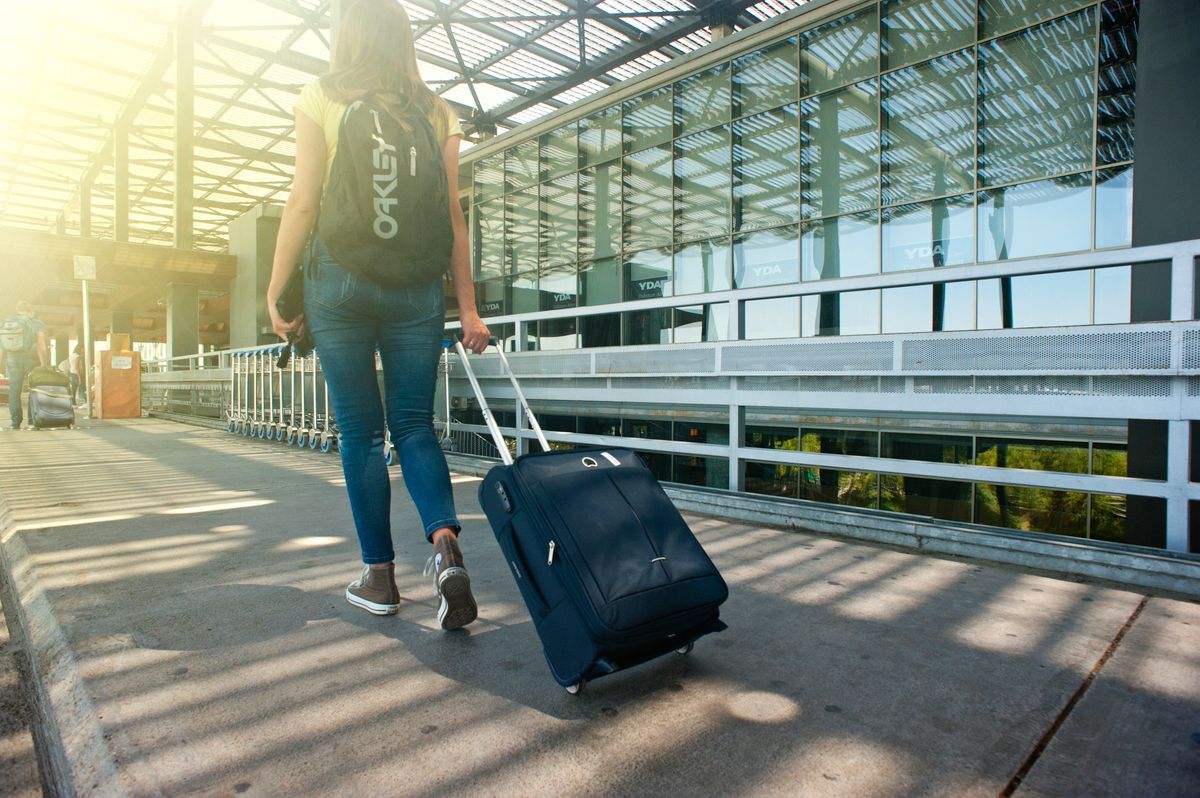

Many people schedule knee surgery in the fall or early winter so they can recover during a slower time of year. Then the holidays arrive, along with invitations to travel to see family. If you are recovering from knee surgery, a trip takes a little more planning than usual.
With the right preparation, many patients can travel safely. The key is to talk with your surgeon first and plan for comfort and safety along the way.
Talk With Your Surgeon Before You Book
Every surgery and recovery is different. Your surgeon is the best person to tell you when travel makes sense for you. The answer can depend on the type of procedure, how your recovery is going, and your overall health.
Ask specific questions. When is it reasonable for me to travel? Should I take any steps to lower my risk of blood clots during a long trip? Can I sit for long periods yet? Do I need to plan around physical therapy appointments? Getting clear answers helps you make plans with confidence.
Why Long Trips Need Extra Care
Sitting for long periods in a car or plane can be hard on a recovering knee. The joint can stiffen, and swelling may increase. Long periods without moving can also raise the risk of blood clots, which is a concern after surgery.
Travel days also tend to be long and tiring. Early mornings, delays, and carrying bags can wear you out faster than usual while your body is still healing. Building in rest before and after the trip helps.
That is why it matters to plan for movement and comfort, and to know which warning signs need prompt attention.
Practical Tips for Travel
A few simple steps can make a big difference in how your knee feels on the road. Many patients find these tips helpful:
- Choose an aisle seat or front seat with extra legroom when you can
- Get up and walk, or stop the car, about every hour or two
- Do ankle pumps and gentle leg exercises while seated
- Stay hydrated and limit alcohol during travel
- Pack medications and any compression stockings your surgeon recommends in your carry-on
- Request airport wheelchair or extra boarding time if walking long distances is hard
- Bring ice packs or a cold wrap for swelling once you arrive
Let airport security know if you have a knee implant. Allow extra time to get through lines without rushing.
Staying Safe at Your Destination
Holiday visits often mean unfamiliar homes. Stairs without railings, loose rugs, pets underfoot, and icy driveways can all raise the risk of falls. Ask your hosts about the layout ahead of time and request a room on the main floor if possible.
Bring any walking aid you are still using, even if you think you will not need it. A cane or walker can make a crowded house or a long walk from the parking lot much safer.
Keep up with your home exercise program while you are away. Even a few days off can leave a knee stiffer. Pace yourself during busy gatherings and take breaks to rest with your leg propped up.
Warning Signs Not to Ignore
Seek medical care right away if you notice calf pain, swelling, warmth, or redness in your leg, chest pain, or shortness of breath. Fever, increasing redness around the incision, or drainage are also reasons to call your surgeon’s office promptly.
If you are planning knee surgery or are in the middle of recovery and have questions about holiday travel, contact Blackrock Orthopedics in Meridian. Our team will help you plan a safe recovery that fits your season.