
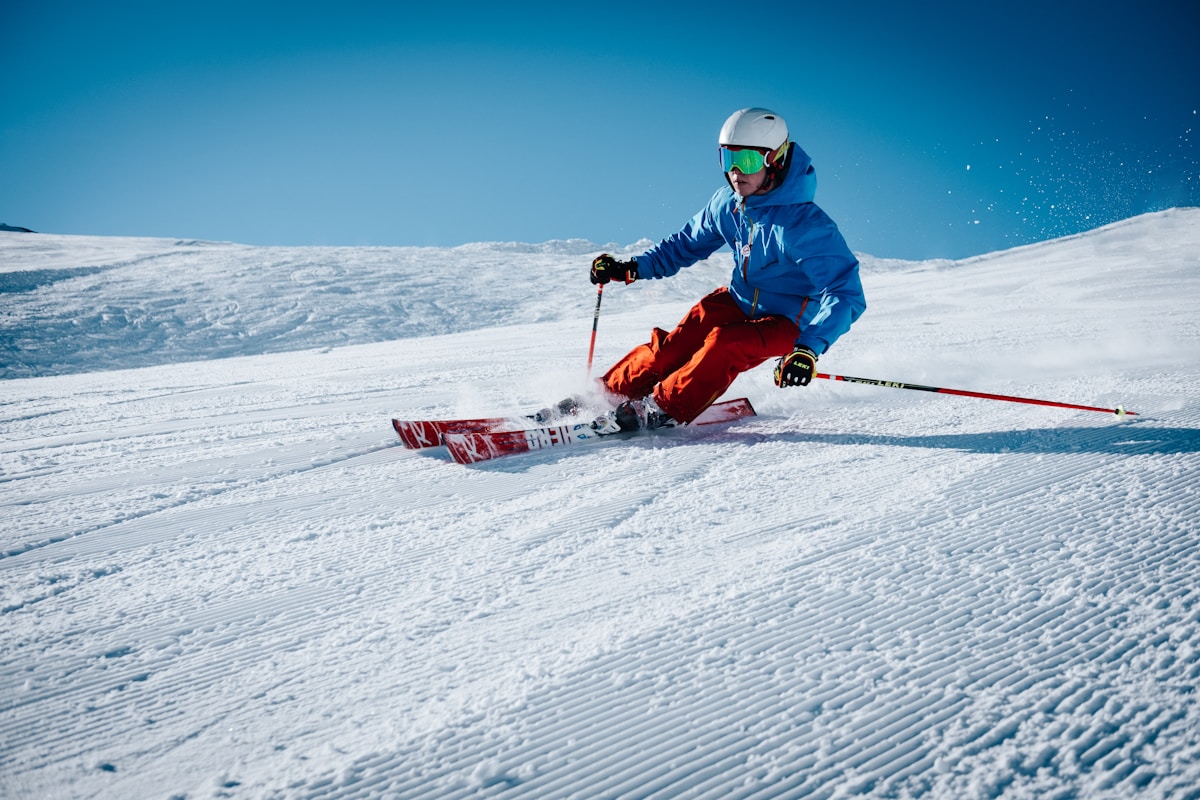

Living in the Boise and Treasure Valley area comes with some serious lifestyle advantages. Whether you are hiking the Boise Foothills, biking the Greenbelt, skiing at Bogus Basin, or playing in one of the many recreational sports leagues across Meridian, Nampa, and the surrounding communities, staying active is simply part of the culture here. But all of that movement puts real demands on your knees — and for many Treasure Valley residents, knee discomfort eventually becomes a reality that is hard to ignore.
Understanding a few basics about knee health can go a long way toward keeping you on the trails, the field, or whatever activity brings you joy.
Why Knees Take the Brunt of an Active Lifestyle
The knee is one of the most complex joints in the human body. It connects the thigh bone (femur) to the shin bone (tibia) and relies on a network of ligaments, tendons, cartilage, and muscles to function properly. Because the knee bears much of your body weight during movement — and absorbs shock with every step, jump, or turn — it is also one of the joints most likely to experience wear, strain, or injury over time.
For Boise and Meridian residents who stay active year-round, that repetitive demand on the knee is part of everyday life. According to the American Academy of Orthopaedic Surgeons, millions of Americans seek care for knee problems each year, making it one of the most commonly treated joints in orthopedic medicine.
Common Knee Concerns Among Active People
Knee issues can develop gradually over time or occur suddenly as the result of a specific incident. Some of the more frequently encountered concerns include discomfort around the kneecap during activity, a feeling of instability or “giving way,” stiffness that is most noticeable in the morning or after sitting for an extended period, and swelling that does not resolve with rest.
Active individuals often try to work through early discomfort, which is understandable — no one wants to slow down. But persistent symptoms that interfere with everyday activities like walking, climbing stairs, or participating in your regular exercise routine are generally worth paying attention to.
The Importance of Listening to Your Body
One of the most important things you can do for your long-term knee health is to recognize when something feels different. A sharp pain during activity, swelling that appears quickly after exercise, or a limited range of motion that was not there before are all signals worth noting.
Rest, ice, compression, and elevation — the widely recommended RICE approach — can help manage minor discomfort in the short term. However, symptoms that persist beyond a few days, return with activity, or worsen over time generally suggest that a professional evaluation would be worthwhile. Early attention to knee concerns often leads to a broader range of options and, in many cases, a more straightforward path to feeling better.
Staying Strong to Protect Your Knees
While not every knee issue is preventable, maintaining strength and flexibility in the muscles around the knee is one of the most effective things you can do to support joint health. The quadriceps and hamstrings, in particular, play a significant role in stabilizing the knee during movement. Low-impact exercises like swimming, cycling, and walking are generally well-tolerated and can help maintain conditioning without placing excessive stress on the joint.
Maintaining a healthy body weight is also considered an important factor in knee health, as excess weight increases the load placed on the knee with every step. According to Mayo Clinic, even modest reductions in body weight can meaningfully reduce stress on the knee joint.
Warming up before physical activity, using proper footwear, and allowing adequate recovery time between high-intensity sessions are additional habits that support overall joint health.
When to Consider an Evaluation with a Knee Specialist
Most people can manage minor, occasional knee discomfort on their own. But there are situations where seeing a specialist sooner rather than later makes sense. These include:
- Knee pain that has persisted for more than a few weeks without improvement
- Swelling, redness, or warmth around the joint
- Difficulty bearing weight on the affected leg
- A sensation of locking, catching, or instability in the knee
- Discomfort that is limiting your daily activities or preventing you from doing things you enjoy
An orthopedic evaluation can help clarify what is happening, provide a diagnosis when appropriate, and outline the range of options available — both surgical and non-surgical. Many knee conditions respond well to conservative approaches, and understanding what is involved gives you the information you need to make thoughtful decisions about your care.
Orthopedic Care in Boise and Meridian
At Blackrock Orthopedics, our focus is on helping patients in the Boise and Meridian area get back to the activities they love. Whether you are dealing with an acute knee injury or a gradual change in how your knee feels during everyday movement, our approach starts with understanding your situation and walking you through your options clearly.
We offer a range of services — from conservative management to advanced surgical procedures including knee replacement and ACL reconstruction — and work closely with each patient to determine what makes the most sense for their goals and lifestyle.
If you have questions about your knee health or would like to schedule an evaluation, we invite you to contact our office and take the first step toward feeling better.