
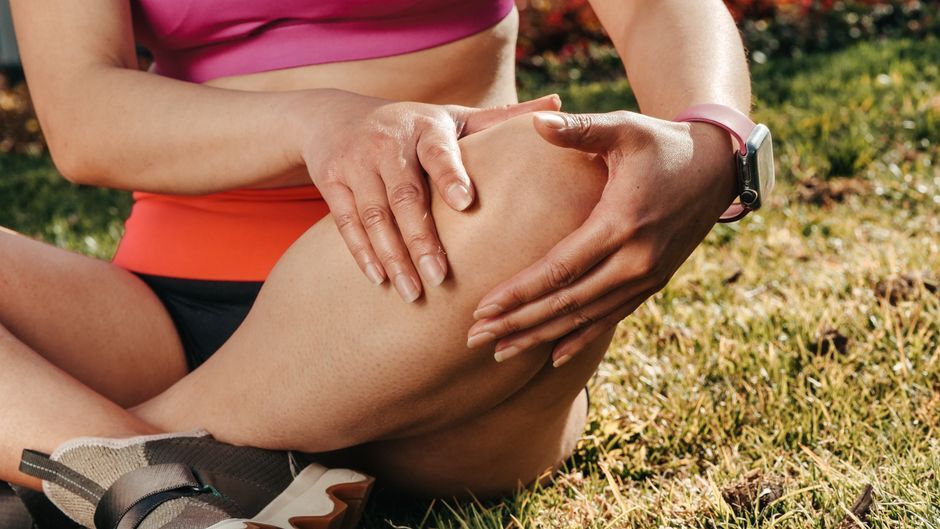

Most people expect their joints to complain in the cold. What surprises many patients in the Treasure Valley is how much worse a bad knee or hip can feel during a stretch of 95-degree July afternoons. If you’ve noticed your pain climbing along with the thermometer, you aren’t imagining it. Heat and dehydration have a real, measurable effect on how joints feel and function.
The Summer Paradox: Warm Weather Isn’t Always Kind to Joints
Patients often assume warm weather is uniformly good for arthritis, and moderate warmth usually is. The problem starts when temperatures push into the 90s and humidity swings, which is common here from late June through August. Sudden shifts in barometric pressure can make the tissues around a joint expand slightly, irritating nerve endings that are already sensitive from arthritis or an old injury.
On top of that, high heat changes how you move. People shorten walks, skip stretching, and spend more time sitting in air conditioning. Joints that don’t move well tend to hurt more, not less.
How Dehydration Quietly Amplifies Knee Pain in the Treasure Valley
Idaho’s dry climate is deceptive. You can lose a surprising amount of fluid on a walk along the Boise River Greenbelt or an afternoon in the yard without ever feeling drenched in sweat. That matters for your joints because cartilage is roughly 70 to 80 percent water. Synovial fluid, the slick lubricant inside every joint, depends on hydration to do its job.
When you’re even mildly dehydrated, that fluid becomes less effective. Cartilage surfaces don’t glide as smoothly, and the small shock-absorbing structures in the knee, hip, and shoulder take more direct impact with each step. For patients already dealing with knee pain in the Treasure Valley, that shift is often enough to turn a manageable ache into a limp by evening.
Inflammation Runs Hotter in the Summer
Dehydration also concentrates the inflammatory markers already circulating in your body. If you have osteoarthritis, tendinitis, or a rotator cuff issue, those tissues are producing low-grade inflammation as a baseline. Less fluid in the system means those irritants are more concentrated around the joint, which the nervous system reads as more pain.
Heat itself can raise your core temperature and put mild stress on your cardiovascular system, which in turn slows the body’s ability to clear inflammatory byproducts. The result is a joint that feels stiffer in the morning, swells more by afternoon, and takes longer to settle down at night.
Activity Patterns That Backfire in July and August
Two common summer habits tend to worsen joint pain. The first is the weekend warrior pattern: sitting through a hot workweek, then attempting a long hike in the Boise foothills or a full round of golf on Saturday. Joints that haven’t moved much all week are not ready for that load, especially when you’re behind on fluids before you even start.
The second is the opposite problem: avoiding movement entirely because it’s too hot outside. Cartilage relies on gentle, repeated motion to draw in nutrients. A week of inactivity can leave a knee or hip feeling every bit as bad as overuse would.
Practical Steps to Protect Your Joints This Summer
Start with hydration, and be more deliberate than you think you need to be. A good working target for most adults is roughly half your body weight in ounces of water per day, more if you’re outside or exercising. Add electrolytes if you’re sweating heavily; plain water alone can actually dilute sodium levels and leave you feeling worse.
Move earlier or later in the day. A 20-minute walk before 9 a.m. or after 8 p.m. is far kinder to your joints than a midday effort in direct sun. Keep the movement consistent rather than saving it all for the weekend. Gentle range-of-motion work, pool walking at the local rec center, and stationary cycling are all excellent options when the pavement is too hot.
When Summer Pain Is Telling You Something Bigger
Occasional flares that improve with rest, fluids, and activity changes are usually manageable at home. Pain becomes a clinical concern when it changes your gait, wakes you at night, causes visible swelling that doesn’t resolve within a day or two, or keeps you from activities you did comfortably last summer.
Those signs often point to underlying changes in the joint—cartilage loss, a meniscus problem, or advancing arthritis—that heat and dehydration are simply making more obvious. Summer tends to expose the joints that were already struggling. That’s useful information, not a reason to panic.
What to Do Next
If your knee, hip, or shoulder pain has been noticeably worse this summer, spend two weeks focused on the basics: steady hydration, cooler-hour movement, and consistent daily activity rather than weekend bursts. Keep a simple note of when the pain spikes and what you were doing.
If the pain persists or you’re starting to modify your normal life around it, that’s a reasonable point to have a specialist take a look. An orthopedic evaluation here in Meridian can identify what’s actually driving the discomfort and lay out options ranging from physical therapy and injections to joint preservation or replacement, depending on what the exam and imaging show. The goal isn’t to jump to surgery; it’s to give you a clear picture so next summer feels different than this one.
Featured image: Photo by Kindel Media on Pexels.