
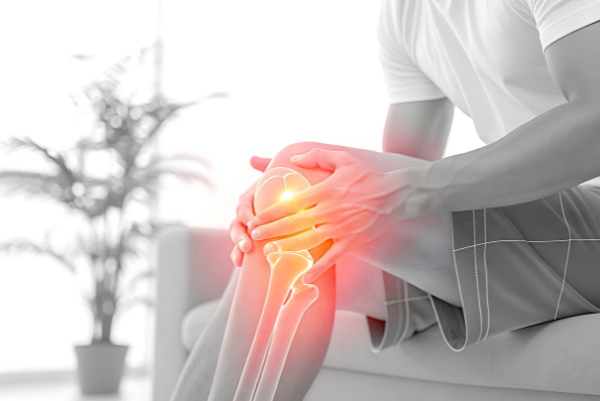

Joint discomfort is something many people begin to notice as they get older. While everyone experiences aging differently, it’s common for joints to feel stiffer, less flexible, or more sensitive than they once were. These changes don’t always signal a serious issue—they’re often part of the natural evolution of the body over time.
Natural Changes That Affect Joint Comfort
As the body ages, the materials that cushion and support the joints gradually change as well. Cartilage experiences natural wear from years of movement, and the fluid that keeps joints lubricated may diminish. These are normal biological processes that influence how joints feel from day to day.
People who want to learn more about how joints function throughout life can explore other topics on the Blackrock Orthopedics blog, which offers helpful general insights about orthopedic wellness and everyday joint care.
Lifestyle Habits and Everyday Movement
Beyond age, daily habits can affect how the joints respond to regular activities. How someone walks, sits, stands, or moves repeatedly throughout the day may add additional stress to certain areas. Gentle, consistent physical activity can help support mobility, while long periods of inactivity or repetitive motions may contribute to stiffness.
Small changes—like taking short walking breaks, adjusting workstations, or paying attention to how the body feels after certain activities—can sometimes make a noticeable difference. Many people also look to trusted orthopedic resources, including information found on the Blackrock Orthopedics website, to better understand the connection between movement and long-term comfort.
Other Broad Factors That Influence Joint Discomfort
Weight-bearing joints such as the hips, knees, and ankles often feel the impact of years of use. Past injuries, repetitive sports, or physically demanding jobs may all play a role in how joints feel over time. Even everyday tasks like climbing stairs or carrying heavy bags can gradually influence joint comfort.
Because each person’s health history and lifestyle are unique, no two experiences with joint discomfort are exactly the same. Paying attention to patterns—when discomfort appears, what seems to trigger it, and how long it lasts—can help people have more informed conversations with qualified professionals if they choose to seek care.
Supporting Joint Wellness Over Time
Although aging is inevitable, small, mindful habits can support healthier joint function. Many individuals find that staying active at a comfortable level, maintaining balance in their routines, and allowing time for rest when needed all help support long-term comfort.
For some, simply understanding what influences joint health brings peace of mind. When people are familiar with normal age-related changes and the role of lifestyle factors, they are often better prepared to take practical steps that support their joints for years to come.