
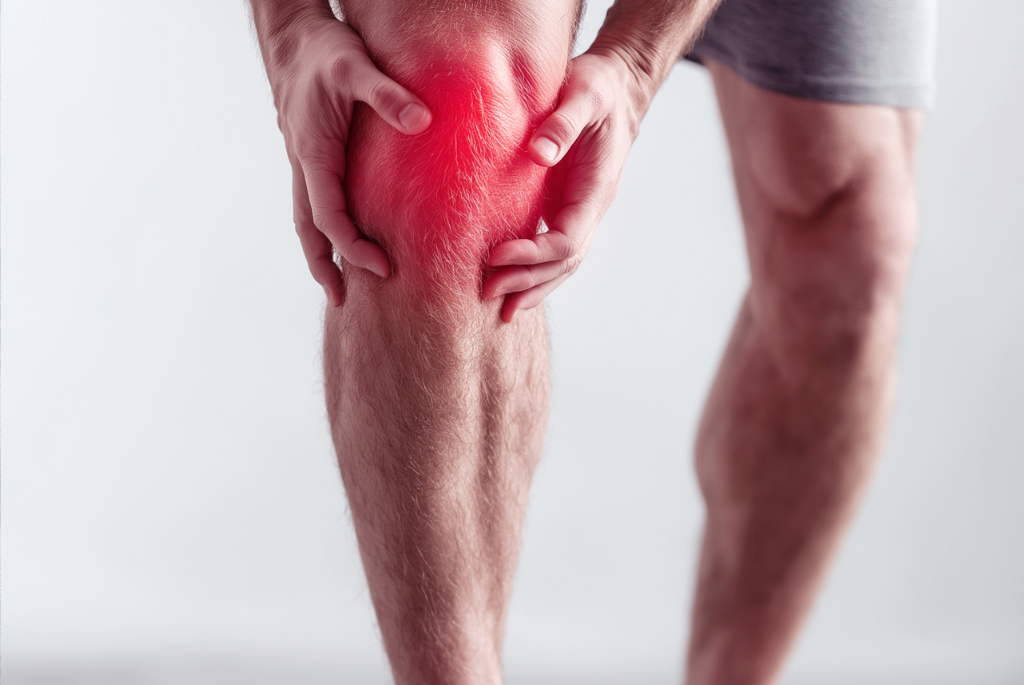

Knee pain is one of the most common reasons people in the Boise area cut back on walking, workouts, sports, and even everyday tasks like climbing stairs. Sometimes it comes from a specific injury, but often it builds gradually—showing up as stiffness in the morning, swelling after activity, or a sharp pain when you pivot or kneel. The tricky part is that knee pain can have many causes, and the “best next step” depends on how your symptoms behave over time.
This article shares general, practical information to help you understand common knee pain patterns and what usually signals that it’s time to talk with an orthopedic specialist. It’s not a diagnosis, but it can help you feel more prepared for a conversation about your options.
Common Reasons Knees Start Hurting
Not all knee pain is the same. Some pain is linked to wear over time, while other pain is tied to tissue damage from an injury. A few common categories include:
- Overuse and irritation: Repetitive impact or sudden increases in activity can irritate tendons and tissues around the knee.
- Cartilage wear (often called arthritis): This can feel like stiffness, aching, reduced range of motion, or pain after sitting.
- Meniscus issues: The meniscus helps cushion the joint. Problems here can cause pain with twisting, clicking, or a “catching” feeling.
- Ligament injuries: These often happen after a sudden change in direction, an awkward landing, or a direct hit—sometimes with immediate swelling.
If you want a general overview of knee anatomy and common knee conditions, the American Academy of Orthopaedic Surgeons has a helpful patient education library here: AAOS OrthoInfo.
What Your Symptoms Can Tell You
While only an exam and appropriate imaging can confirm what’s going on, symptom patterns can provide useful clues. For example:
- Swelling that keeps returning after activity can signal joint irritation or internal inflammation.
- Locking or catching may suggest something inside the joint is interfering with motion.
- Instability or “giving out” can be associated with ligament issues or weakness that needs evaluation.
- Pain at night or at rest is worth discussing, especially if it’s persistent.
Another helpful, general reference is MedlinePlus, which summarizes knee injuries and conditions in clear language: MedlinePlus (NIH) sports injury basics.
When It’s Smart to Talk to an Orthopedic Specialist
Some knee problems improve with rest, activity modification, and gradual strengthening. But there are situations where it’s worth scheduling an evaluation sooner rather than later. Consider reaching out if:
- You have swelling that doesn’t improve or keeps coming back
- You’re avoiding activity because the pain is limiting daily life
- You notice catching, locking, or buckling
- You’ve tried basic at-home steps and the issue is still lingering
- The pain started after an injury or fall
In Treasure Valley life, knee pain often shows up when people ramp up spring activity, hike the foothills, or get back into weekend sports. If symptoms keep returning, a focused evaluation can help you avoid months of trial-and-error.
At Blackrock Orthopedics, their practice focuses on knee care for patients in the Boise area. If you’re deciding whether to be seen, you can start by reviewing their contact information and clinic hours and choosing the most convenient way to schedule.
What an Evaluation Typically Involves
Most orthopedic visits begin with your story: what you feel, when it started, what makes it better or worse, and what your goals are. From there, the provider may assess movement, alignment, strength, and stability. Sometimes imaging is recommended to better understand the joint structure.
It’s also common to discuss both non-surgical and surgical pathways depending on your symptoms, function, and long-term goals. If you want to learn more about how surgical options are presented for certain knee conditions, Blackrock Orthopedics has a dedicated page discussing knee replacement surgery as one possible treatment pathway for the right candidate.
How to Prepare for a More Helpful Appointment
If you want to get the most out of your visit, it helps to show up with a few notes. Consider writing down:
- When the pain started (and whether it was sudden or gradual)
- Where it hurts (front, inside, outside, behind the knee)
- Activities that worsen symptoms (stairs, squats, walking, sports)
- What you’ve already tried (rest, bracing, ice, physical therapy)
- Your goals (returning to sport, walking comfortably, avoiding flare-ups)
Knee pain can feel frustrating because it disrupts so many daily routines. The good news is that many knee issues have multiple management options. Getting the right evaluation helps you understand what’s driving the pain and what steps make the most sense for your lifestyle.